
Polyphenols: The Missing Link Between Gut Health, Mood and Hormone Balance
When we think about healthy eating, we often focus on nutrients such as protein, vitamins and minerals. Yet there is another group of powerful plant compounds that may have a profound impact on our health, particularly when it comes to gut health, mood, anxiety and hormone balance.
These compounds are known as polyphenols.
Found naturally in colourful fruits, vegetables, herbs, spices, tea, cocoa, nuts and seeds, polyphenols act as antioxidants and help protect plants from environmental stressors. For humans, they offer a wide range of health benefits, particularly through their interaction with the gut microbiome.
Emerging research suggests that polyphenols may help support digestive health, increase microbiome diversity, reduce inflammation, influence neurotransmitter production and even play a role in hormone metabolism.
Let's explore why these plant compounds deserve a place on your plate.
What Are Polyphenols?
Polyphenols are naturally occurring compounds found in plant foods. More than 8,000 different polyphenols have been identified, with several major categories including:
Flavonoids (berries, tea, cocoa)
Phenolic acids (coffee, olives)
Lignans (flaxseeds)
Stilbenes, including resveratrol (grapes, peanuts and red wine)
Unlike some nutrients that are broken down and absorbed directly in the small intestine, many polyphenols travel to the colon where they interact with our gut microbes. This relationship appears to be one of the key reasons they have such broad effects throughout the body.
Polyphenols and Gut Health
The gut microbiome consists of trillions of microorganisms that influence digestion, immune function, metabolism and mental health. Polyphenols act as a form of fuel for beneficial bacteria while also helping to inhibit the growth of potentially harmful microbes.
Research suggests polyphenols may:
Increase beneficial bacteria such as Bifidobacterium and Lactobacillus
Support microbial diversity
Reduce intestinal inflammation
Strengthen the gut barrier
Increase production of beneficial short-chain fatty acids (SCFAs)
SCFAs such as butyrate play a critical role in maintaining the integrity of the intestinal lining and regulating immune and inflammatory responses. A healthy microbiome is increasingly recognised as a cornerstone of both physical and mental wellbeing.
The Gut-Brain Connection: How Polyphenols May Support Mood and Anxiety
The gut and brain communicate constantly through what is known as the gut-brain axis. This communication occurs through:
The vagus nerve
Neurotransmitter production
Immune signalling
Hormonal pathways
Microbial metabolites
Approximately 90% of the body's serotonin is produced within the gut. While gut-derived serotonin does not directly cross the blood-brain barrier, gut health strongly influences the pathways involved in mood regulation.
Polyphenols may support mental wellbeing through several mechanisms:
Reducing Neuroinflammation
Chronic inflammation (both in the brain and body more generally) has been associated with anxiety, depression and cognitive decline.
Polyphenols possess potent antioxidant and anti-inflammatory properties that may help reduce inflammatory signalling throughout the body and brain.
Supporting Beneficial Gut Bacteria
Many beneficial bacteria produce metabolites that influence brain function and stress resilience.
Research suggests individuals with greater microbial diversity often demonstrate improved emotional wellbeing and stress regulation.
Protecting Brain Cells
Polyphenols may help protect neurones in the brain from oxidative stress and may support cognitive function, memory and healthy ageing.
Supporting Stress Response
Certain polyphenols appear to help regulate the hypothalamic-pituitary-adrenal (HPA) axis, the body's central stress response system, potentially supporting resilience during periods of chronic stress.
Polyphenols and Hormone Health
Hormonal health extends well beyond reproductive hormones and includes complex interactions between the gut, liver, adrenal glands and endocrine system.
Polyphenols may influence hormone balance in several ways:
Supporting Oestrogen Metabolism
The gut microbiome plays a crucial role in the metabolism and elimination of oestrogen.
An imbalance in gut bacteria may contribute to altered oestrogen recycling, potentially influencing symptoms associated with hormonal fluctuations. By supporting microbial diversity and gut health, polyphenol-rich foods may indirectly assist healthy hormone metabolism.
Reducing Inflammation
Inflammation has been linked to conditions such as PMS, endometriosis, PCOS (or PMOS as it is now called), and perimenopausal symptoms.
The anti-inflammatory effects of polyphenols may provide supportive benefits for overall hormonal wellbeing.
Supporting Blood Sugar Balance
Many polyphenol-rich foods help improve insulin sensitivity and glucose regulation. Stable blood sugar levels can support energy, mood, appetite regulation and hormonal balance.
This is particularly relevant during perimenopause and for women experiencing insulin resistance or PCOS (PMOS).
Top Polyphenol-Rich Foods to Include in Your Diet
1. Dark Berries and Blueberries
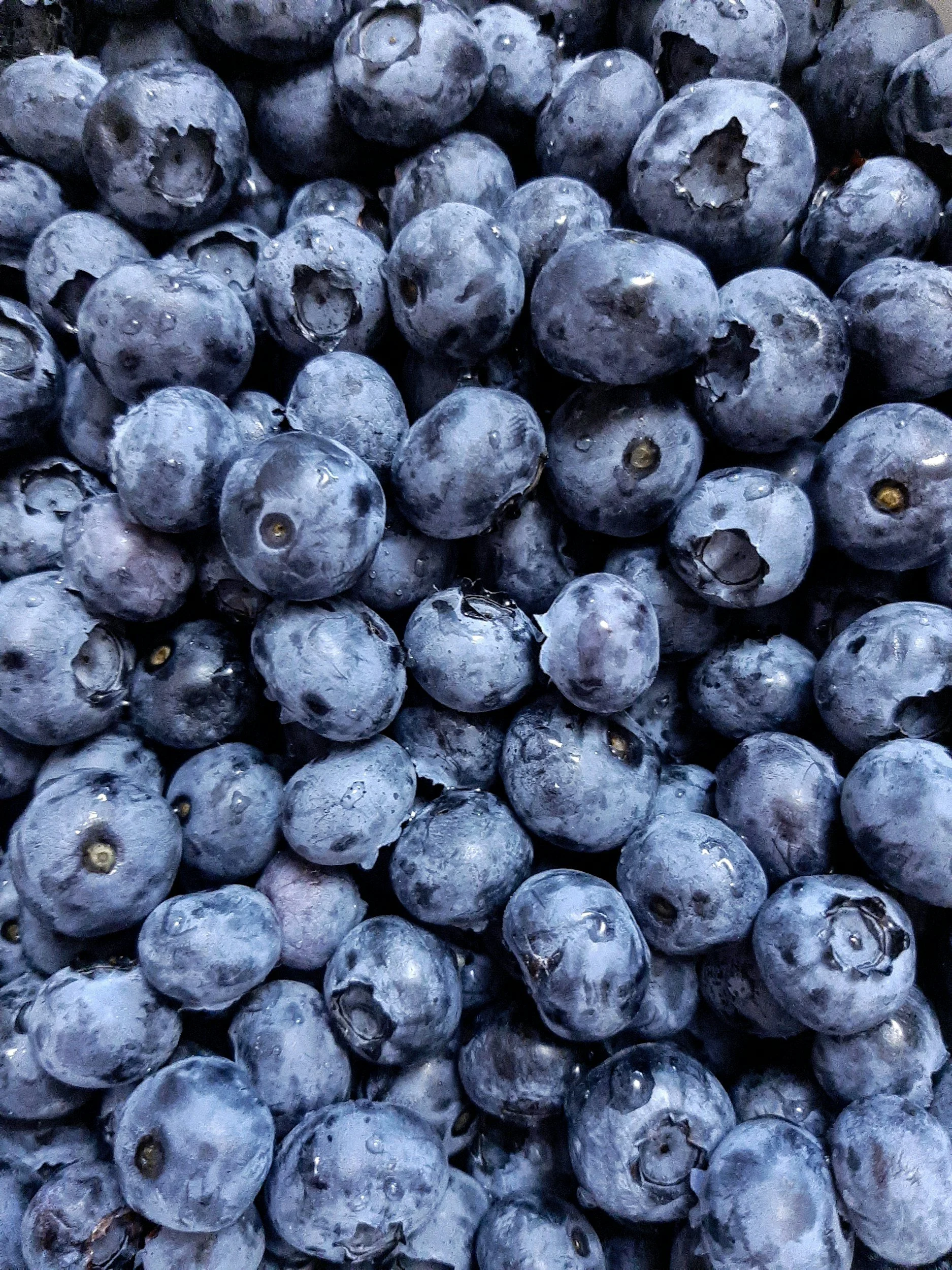
Blueberries, blackberries, raspberries and strawberries are among the richest dietary sources of anthocyanins, the pigments responsible for their deep colours.
Research suggests anthocyanins may:
Support microbial diversity
Reduce oxidative stress
Improve cognitive function
Support cardiovascular health
Aim to include a handful of mixed berries most days of the week. Aim for organic varieties where possible (frozen is a great option as they last longer), otherwise wash thoroughly under running water before eating.
2. Green Tea
Green tea contains catechins, particularly epigallocatechin gallate (EGCG), one of the most extensively researched polyphenols.
Potential benefits include:
Supporting beneficial gut bacteria
Reducing inflammation
Enhancing cognitive function
Supporting metabolic health
Great tea has the added benefit of also containing L-theanine which may support feelings of calm and focus. Enjoy 1–3 cups daily, if tolerated,
3. Dark Chocolate
Dark chocolate contains flavanols that may:
Support gut microbial diversity
Improve blood flow to the brain
Enhance mood
Support cardiovascular health
Choose good quality chocolate containing at least 70% cocoa and enjoy in moderation. As an added bonus, dark chocolate also contains magnesium which is needed in times of stress, as well as for hormone function.
4. Pomegranate
Our guts love pomegranate! Pomegranates are rich in ellagitannins, compounds that gut microbes convert into beneficial metabolites called urolithins.
Research suggests these compounds may support:
Healthy ageing
Reduced inflammation
Cardiovascular function
Microbiome diversity (by promoting growth of beneficial bacteria, while inhibiting pathogenic species).
Add pomegranate seeds to yoghurt, salads or smoothies.
5. Olives and Extra Virgin Olive Oil
A cornerstone of the Mediterranean diet, olives and extra virgin olive oil provide polyphenols such as hydroxytyrosol and oleuropein.
Benefits may include:
Reduced inflammation
Improved gut barrier function
Cardiovascular protection
Support for healthy ageing
Use extra virgin olive oil as your primary culinary oil where possible, aiming for 1-2 tablespoons per day drizzled over meals, salads and soups. Store away from heat and light to maintain quality.
6. Nuts and Seeds
Nuts (such as walnuts, pecans, hazelnuts and almonds) and seeds (chia, sesame, pumpkin, flax) are rich sources of a variety of polyphenols, along with healthy fats, protein, fibre and minerals such as zinc and magnesium. Flaxseeds (best utilised by the gut when freshly ground) are particularly rich in lignans, a class of polyphenols associated with hormone health.
Benefits may include:
Supporting oestrogen metabolism
Improving bowel regularity
Feeding beneficial gut bacteria
Supporting cardiovascular health
Aim for 30g nuts and seeds daily, or around 2 tablespoons of seeds, which can easily be added to oats, smoothies, yoghurt or sprinkled over cereal.
7. Artichokes
Artichokes contain both polyphenols and prebiotic fibres, making them especially beneficial for gut health.
They may help:
Increase beneficial gut bacteria
Support digestion
Promote short-chain fatty acid production
Support liver function
8. Herbs and Spices
Many herbs and spices are surprisingly concentrated sources of polyphenols, with many also being anti-inflammatory in action.
Particularly rich options include:
Turmeric
Cinnamon
Rosemary
Oregano
Mint
Cloves
Ginger
Even small amounts used regularly can significantly increase overall polyphenol intake.
How to Increase Your Polyphenol Intake
Rather than focusing on a single ‘superfood’, aim for variety.
Simple ways to boost polyphenols include:
✓ Add berries to breakfast
✓ Drink green tea during the day
✓ Use extra virgin olive oil generously
✓ Sprinkle ground seeds onto meals or snack on a small handful of mixed nuts
✓ Include colourful fruits and vegetables daily - eat the rainbow!
✓ Cook with herbs and spices often
✓ Enjoy a small serving of dark chocolate after a meal
✓ Add pomegranate seeds to salads and yoghurt
Aiming for a wide variety of colourful plant foods each week is one of the simplest ways to nourish both your microbiome and overall health.
The Bottom Line
Polyphenols are much more than antioxidants. Through their powerful interaction with the gut microbiome, they may help support digestive health, mood, anxiety, stress resilience and hormone balance. Click here to read more about how fibre and gut health can influence mental health and mood.
For women navigating busy lives, hormonal transitions, stress, motherhood or perimenopause, regularly including polyphenol-rich foods may be a simple yet impactful strategy for supporting both physical and emotional wellbeing.
Small daily choices, such as adding berries or seeds to breakfast, sipping green tea, using extra virgin olive oil and embracing herbs and spices, can add up to meaningful benefits for your gut, brain and hormones over time.
References
doi: 10.3389/fimmu.2025.1653378
PMID: 22794138
PMID: 29739608
PMID: 23849454
PMID: 35740109
PMID: 22701758
PMID: 28942748
PMID: 10917926
PMID: 27490306
PMID: 29695122
Disclaimer: The information provided in this article is for your personal or other non-commercial, educational purposes. It should not be considered as medical or professional advice. We recommend you consult with a GP or other healthcare professional before taking or omitting to take any action based on this article. While the author uses best endeavours to provide accurate and true content, the author makes no guarantees or promises and assumes no liability regarding the accuracy, reliability or completeness of the information presented. The information, opinions, and recommendations presented in this article are for general information only and any reliance on the information provided in this article is done at your own risk.